
by guest blogger Marilyn Noble, Communications Director, American Grassfed Association
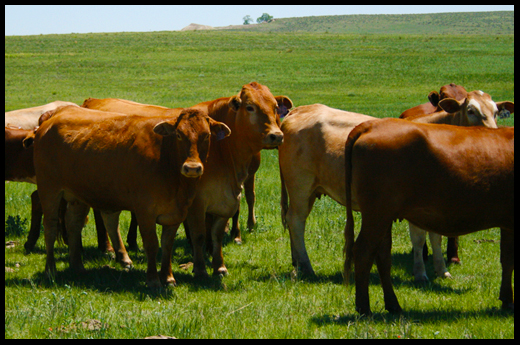
Grass-fed meats are showing up everywhere—in grocery stores, at farmer’s markets, and on the menus of burger joints and fine dining restaurants. Why? Because, compared to grain-fed, the meat is healthier for people (it has a more nutritious fat profile and more vitamins and minerals), is healthier for the environment, and has a more delicious flavor profile. There’s also the issue of humane treatment: Grass-fed animals living on open pasture almost always enjoy a better life than their grain-fed counterparts who spend the last months of their lives confined to feedlots.
In the old days, you could pay a visit to the meat counter in your locally owned grocery store or butcher shop and ask the butcher anything you wanted to know about the meat you were considering for dinner that night—how to cook it, where the cut originated on the animal, and which of your neighboring farms raised the meat. Those days came to an end with the advent of chain grocery stores, commodity farming, and Styrofoam packaging. But that’s changing, especially in large urban centers.
The rise of farmer’s markets and small butcher shops is bringing meat consumption back to a personal level. Now it’s possible, even in big cities, to learn where meat you’re buying comes from and how it’s produced. And knowing what the different labels mean will help you get the meat you want. Here’s a breakdown:
Grass-fed. The U.S. Department of Agriculture (USDA) Agriculture Marketing Service has developed standards for use of the term grass-fed on meat labels. They state that animals must be 100 percent fed on grass, but can be confined and fed supplements that may contain antibiotics or hormones. The meat can also be imported from Argentina, New Zealand, Australia, or other countries, so there’s no guarantee that it came from a local or regional family farm.
The American Grassfed Association (AGA) has developed more comprehensive standards and is the only third-party program that inspects and audits producers on an annual basis. The AGA logo means the meat is from ruminant animals (cattle, bison, sheep, or goats) who were raised entirely on grass and forage, without confinement in a feedlot, and who were never given antibiotics or hormones. (Poultry and swine are omnivorous animals and as such, are not grass fed.) Transparency is also a big part of the AGA standards. Each animal is tracked from birth to harvest. There are several hundred AGA-certified farms and ranches in the U.S., and they’re all proud of the work they’ve done to be able to use the logo.
Organic. The organic label is administered by the National Organic Program and means that the livestock was raised without antibiotics or synthetic hormones on feed that was vegetarian, was pesticide- and herbicide-free, and contained no GMOs. Organic does not equal grass fed. A ranch with organic certification may feed its herd entirely on grass, but many also feed organic grains and grain by-products during periods of confinement. Conversely, many grass-fed producers choose not to pursue organic certification, even though they may follow organic standards in the production of their meats. With this label, the best thing to do is ask the farmer or research more about the brand.
Naturally Raised. The term “naturally raised” is another USDA term that says the animals were not fed any animal by-products, growth hormones or antibiotics. But they could be fed grain or grass and confined to a feedlot.
Grass-finished. Finishing refers to the way animals are fed during the last few months of their lives, but this term is considered to be a self-made claim. It has no legal definition, so if you see this on a label, you have to ask the producer exactly what it means in terms of that particular producer’s practices.
Pasture Raised. You may encounter this term in articles that use it as a general term for any animal that never sees confinement; however, when you see it on a label, it’s another self-made claim with no legal definition or independent verification of production standards. This is another case in which you should ask plenty of questions.
As with most food, the best way to know what kind of meat you’re getting is to talk to the farmer—and most small farmers are happy to talk about what they do. If you can’t meet the farmer, ask questions of the butcher or the purveyor at the farmer’s market. Buying directly from the producer helps eliminate any guesswork, and many grass-fed ranchers sell their products directly to consumers online. To find producers, visit the American Grassfed producer listings or Eatwild.
Animal Welfare Approved is another organization that certifies farms and ranches, and they’ve published The Grassfed Primer, a resource for learning more about what grass-fed meat is and the benefits to consumers, animals, and the environment.
Being an educated consumer isn’t easy, but the more you learn about where and how your food is produced, the better your eating experience and health will be. And by buying from farmers, or as close to the farm as you can get, you’ll be contributing to a stronger, more sustainable food system.
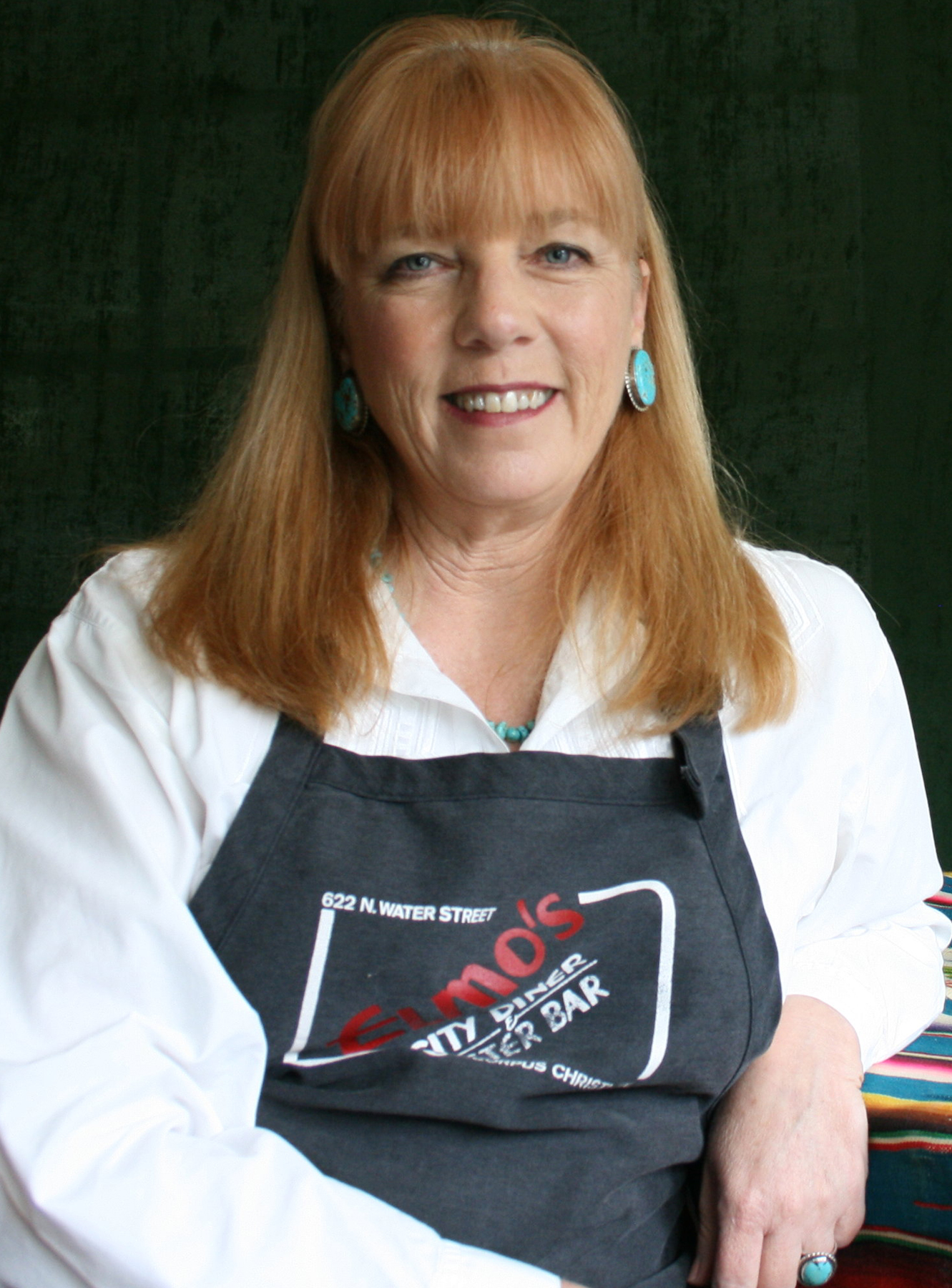
Marilyn Noble is the communications director for the American Grassfed Association and serves on the board of Slow Food Denver. She is also a cookbook author and has recently released her third book, Southwest Comfort Food: Slow and Savory.

As I prefer to buy locally, in areas with winter snow, how can local farms have AGA beef? Can the actually feed them grass all winter? To take that further, when the snow is very deep (not a problem this year) how can the animals not be confined or does the AGA standard allow for barn confinement?
I am certified by AGA and raise lamb and beef in the snow belt. Part of the AGA protocol is the allowance of feeding stored forages. For example i feed baled grass and alfalfa to my sheep and beef. The sheep and beef have access to pastures during the winter if they want to go out to them. The gates are never shut and it is up to them if they want to venture out. This winter there has been no snow and they all have gone out to the pastures and grazed.
I live and work in south central CO above 7,600′ and some of the grass fed/grass finished cattle ranchers I work with typically stockpile forage (vs. baled grass hay) then fence their herd to graze these piles on a per day basis…others feed baled grass hay off of their hay meadows…and rest easy, the cattle are not confined and will forage through the snow for the grass…
I have not paid attention to food like this until it was forwarded to us at work and my goodness! I am going pay attention and I know I am selective purchasing fruits and vegetables and not so much on meat! any kind of meat from now on! Good information.
One of my customers said he is the only guy in the country to have the USDA label on his farm in upstate NY for grass fed cows. If your interested .
http://www.adamsfarm.biz/index.html
and this is there organic slaughterhouse connection
978-249-9441
Noreen Adams Heath
Adams Farm Slaughterhouse
854 Bearsden Road
Athol MA 01331
Hi my family member! I want to say that this article is amazing, nice written and come with approximately all important infos. I would like to see more posts like this .
I loved as much as you will receive carried out right here.
The sketch is tasteful, your authored material stylish.
nonetheless, you command get got an shakiness over that you wish
be delivering the following. unwell unquestionably come
more formerly again as exactly the same nearly
a lot often inside case you shield this increase.
This is a rather interesting as well as disturbing article to me.
I remember my father telling me as a child, Instant Foods and things of that nature are JUNK. He wouldn’t eat that nor feed it to us. He tried to cook during WWII in the ARMY…and that didn’t work for him. Like Powdered eggs and dehydrated items.
Back to the Present. Recently I have become VERY concerned what this family eats. You can HARDLY ESCAPE the additives placed in Processed Foods, especially Meats and nearly have to be a chemist to understand what this junk is.
I pointed-out to my Filipina Wife the JUNK in everything in the Meat Counter @ Wally World. It’s in everything! GMO’s. Sodium Nitrides/Nitrates, MSG, USDA Red, Yellow and More Dyes. It’s sickening!
My son in Guam has a Maters in Aeronautical Engineering and teaches Some College Classes. He is also interested in this calamity of food additives. He even put together a list of commonly added items and their definitions. Reading this is enough to GAG a MAGGOT on a GUT WAGON!
So…I have a “Following” on line. When I see good articles Pro & Con, I send them with comments. I will also send this link toady.
It is a baffling situation on how to escape this problem. Certainly this has curtailed our selection of Products. It has made me more aware and it has changed the items we ingest.
Another thing, before closing here that perturbs me is: GMO Free foods are available, especially on line. But I find their cost to be prohibitive to a normal family’s budget. I also feel that these companies are not in the business as a Service to the Public as much as they are in it for the Profit.
Hi, thanks for the information. The link to the fass journal article (link text: “more vitamins and minerals”, link URL: http://jas.fass.org/content/early/2009/06/05/jas.2009-1850.full.pdf+html ) appears to be broken. Might be a log in issue, as I see “full” in that URL? Could you update the link or provide the issue & page number? Thanks!
What’s up colleagues, how is all, and what
you wish for to say about this post, in my view its really amazing for me.
Hi everybody, here every one is sharing these know-how, thus it’s pleasant to
read this blog, and I used to pay a quick visit this webpage daily.
Hi there, after reading this amazing piece of writing i am also delighted to share my knowledge here with friends.
Thank you for this information, I never buy processed Food or eat it, try to find natural Meat, which is produced closer , not 100 or more meiles away.